
AIKEN, S.C. – Savannah River Nuclear Solutions (SRNS) continues to lead next-generation innovation and research, reinforcing its role in national defense and advancing solutions aligned with the missions of the National Nuclear Security Administration (NNSA) and the Department of Energy (DOE).
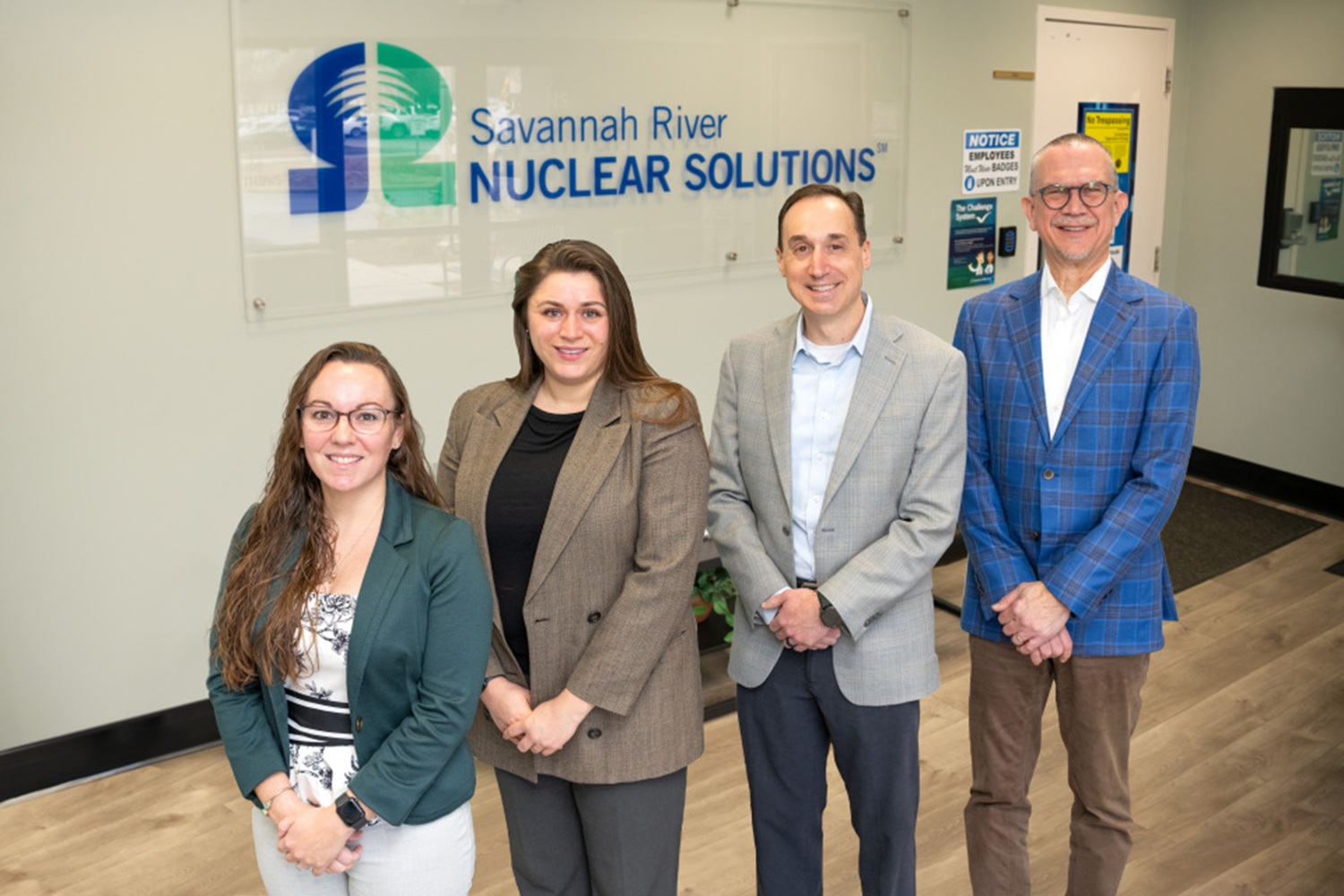
On September 1, 2025, SRNS solidified its commitment to scientific progress by establishing the Office of Innovation, a dedicated hub for driving targeted research and technology at the Savannah River Site (SRS).
“This effort is designed to accelerate breakthroughs that cut project timelines, lower costs, modernize outdated practices, address technological obsolescence, and bolster programs essential to national security,” said Greg Cefus, Director, SRNS Office of Innovation.
The Office of Innovation is tasked with crafting a strategic research plan that aligns discretionary investments with NNSA priorities. By fostering cooperation across the Nuclear Security Enterprise’s Labs, Plants, and Sites, as well as academia and private industries, the office delivers solutions that enhance technological capabilities at SRS.
Expanding the PDRD Program
A centerpiece of SRNS research efforts is the Plant-Directed Research, Development, and Demonstration (PDRD) Program. Originally established in 2001 under the Defense Authorization Act to advance Savannah River Tritium Enterprise (SRTE) missions, the PDRD Program underwent significant realignment in 2025 under the Office of Innovation. This transition broadens its scope to encompass Pit Production Operations and Programs and Plutonium Disposition Operations and Programs.
Aligning with NNSA’s Office of Engineering and Technology Maturation objectives, the PDRD Program prioritizes replacing aging technologies, spurring manufacturing innovation and investing in workforce development.
“By adopting a sitewide approach to R&D, the PDRD Program minimizes duplicative efforts, integrates cross-cutting technologies, and redirects resources to our most critical mission area research needs,” said Jared Clark, PDRD Program Manager. “We must demonstrate our commitment to innovation and strengthen the Site’s role as a vital contributor to national security. PDRD is an investment in our people, processes and the future of SRS and builds on our 75-year legacy of excellence through modernization efforts.”
Partnerships with Leading Universities
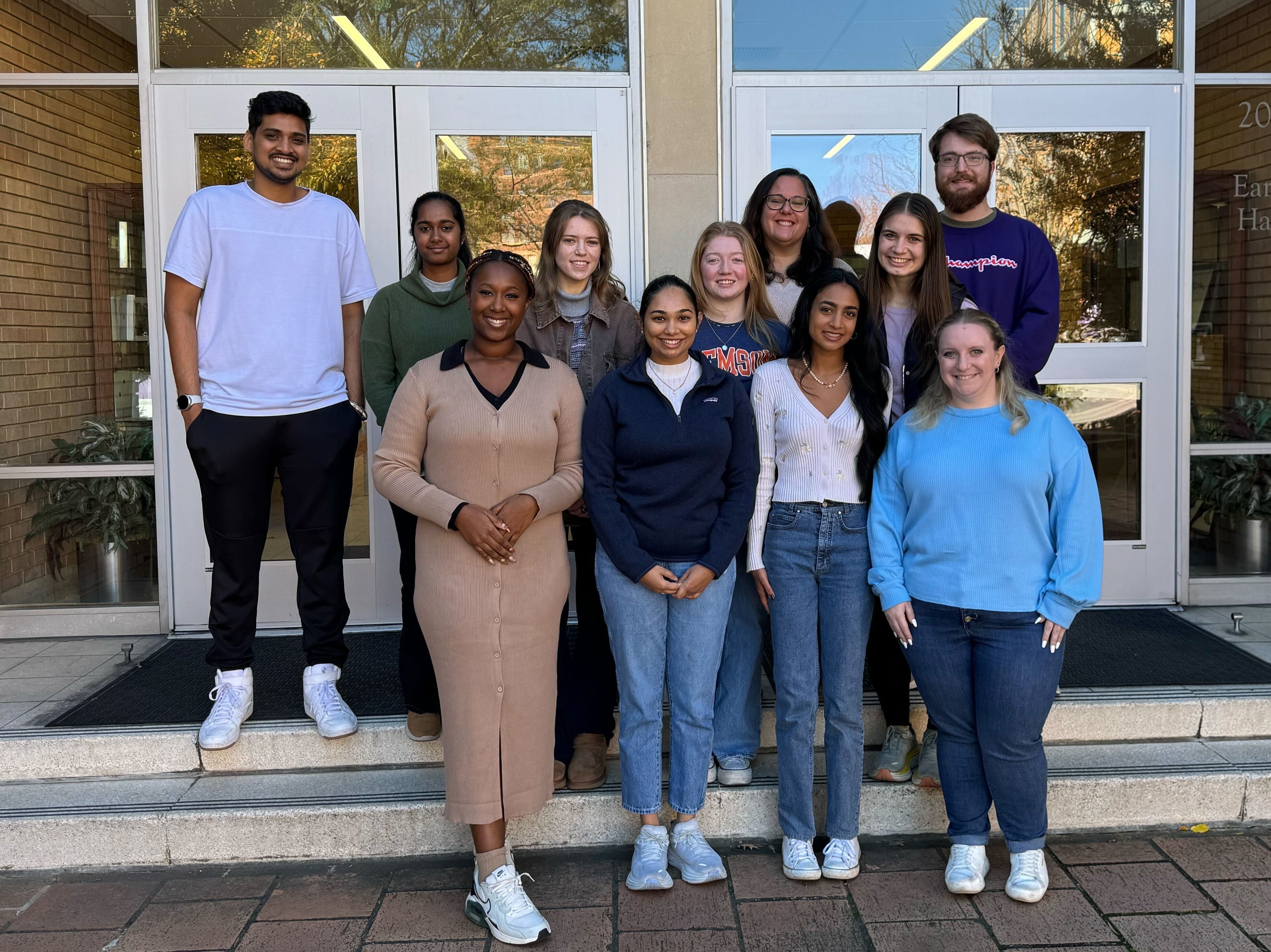
SRNS’ research momentum is strengthened by strategic partnerships with top-tier academic institutions, including Clemson University, University of South Carolina (USC) and Georgia Institute of Technology (Georgia Tech).
- Clemson University is investigating the effects of carbon-based species on the lifespan of getter materials used in tritium separations. Their research seeks to mitigate flow restrictions and optimize getter bed performance, improving efficiency and lifespan across critical systems.
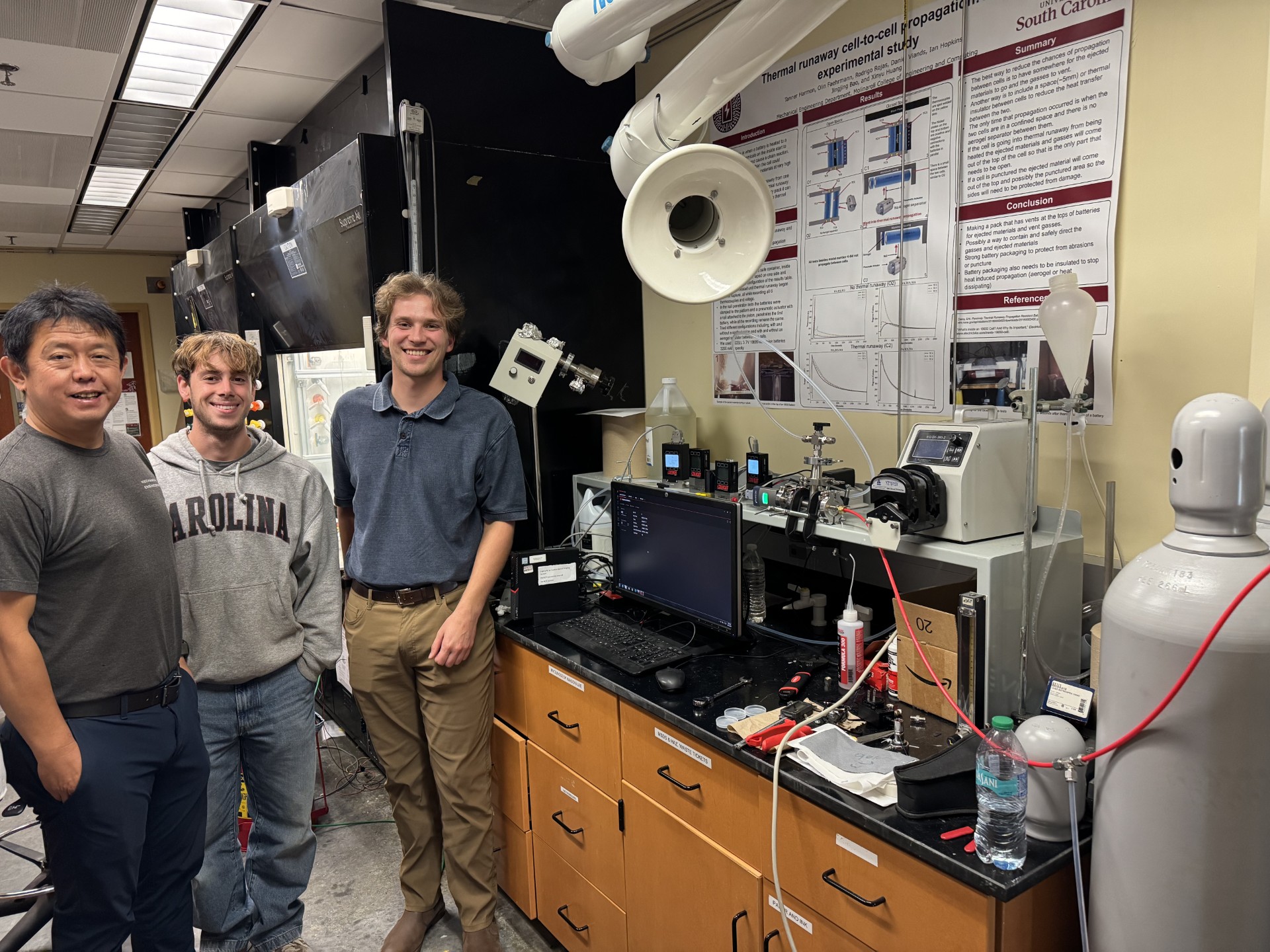
- USC is tackling the challenge of upgrading hydrogen and tritium measurement techniques. By designing advanced, tritium-compatible instrumentation, the team aims to replace cumbersome traditional methods with precise, real-time monitoring capabilities, offering improved flexibility and efficiency within SRTE.
- Georgia Tech will soon develop thermodynamic models utilizing novel temperature sensors to non-intrusively monitor vessel temperatures and infer tritium content, which will provide critical tools for process safety and operational oversight.
The Office of Innovation also leads key initiatives, including the Technology Management Council and SRNS Technology Transfer Programs, to oversee and coordinate sitewide technology needs and ensure innovation is integrated into SRS operations.
Savannah River Nuclear Solutions, a Fluor and HII partnership company, is responsible for the management and operations of the Department of Energy’s Savannah River Site, located near Aiken, South Carolina.
SRNS-2026-1727