
AIKEN, S.C. – (September 30, 2026) – Savannah River Nuclear Solutions (SRNS) has reached a new milestone in transforming a historic facility into the Technology Development and Acceleration Center (TDAC)— a future, full-scale research and development (R&D) hub designed to modernize how the Savannah River Site (SRS) delivers emerging mission priorities.
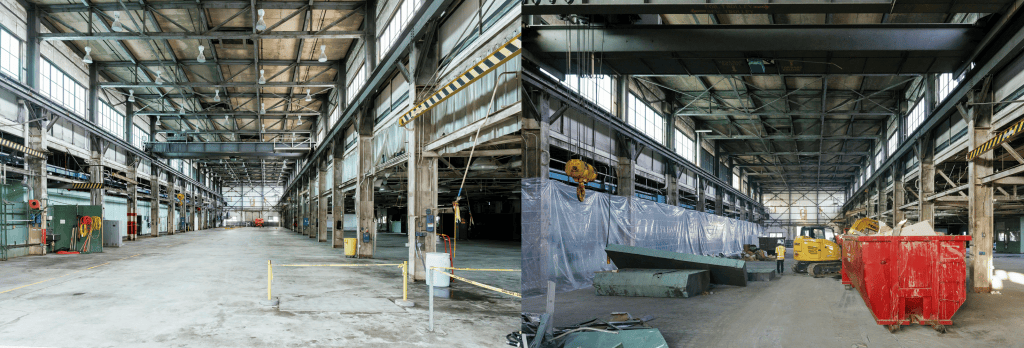
ABOVE: Before and after photos from Phase I to Phase II of the facility restoration project.
“Federal needs across the Department of Energy and National Nuclear Security Administration continue to call for accelerated capability development, smarter infrastructure investment and greater adoption of commercial practices,” said Andy Tisler, SRNS Senior Vice President, Infrastructure Modernization and Sustainment. “Restoring the shop instead of building new is exactly the kind of modernization approach those directives envisioned. Eventually TDAC will position SRS to deliver the rapid R&D, prototyping, and technology maturation our national missions now require.”
Originally constructed in the 1950s as a fabrication shop and vacant for more than a decade, the facility is being revitalized as part of SRNS’ broader effort to modernize infrastructure through smarter, faster and more cost-effective approaches. The project is targeting completion by fiscal year 2027.
“TDAC is the direct result of a deliberate and forward‑looking strategic planning process that identified the Site’s growing need for agile R&D space,” said Freddie Grimm, Senior Vice President of Strategic Planning and Integration. “By combining that vision with a deep understanding of the existing assets at SRS, our team recognized that repurposing this facility, rather than constructing new, would rapidly deliver the capability we required.”
The multi‑phase restoration effort reflects this strategy:
- Phase III will deliver a full revitalization using commercial design-build methods and commercial construction applications to prepare TDAC for long-term mission use.
- Phase I addressed biohazard cleanup after years of inactivity.
- Phase II, in execution, includes abatement; demolition and removal of outdated utilities, equipment pedestals, interior walls and siding; replacement of exterior windows and doors; and assessment of high-bay ventilation systems for reuse.
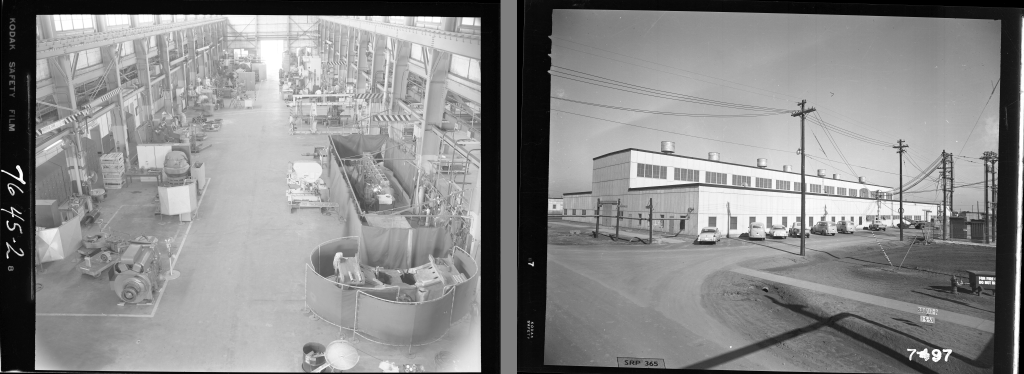
| LEFT: Historic interior image of the facility in August 1961. RIGHT: Historic exterior image of the facility in January 1953. |
The restoration project is a flagship example of SRNS’ shift toward commercial construction practices to drive efficiency across non-nuclear, non-complex projects. The team is utilizing a “ring fence” construction concept with lean SRNS oversight; designing to current International Building Code standards; minimizing contractor onboarding; and expanding strategic partnerships with Supply Chain Management Center contractors.
“We are bringing urgency, clarity, and momentum to a legacy facility that’s now transitioning to support NNSA’s future mission needs,” said Bryan Atkinson, SRNS Project Delivery Organization Project Director. “Together, we’re proving that when we operate with commercial discipline and NNSA‑level urgency, even a 1950s-era building can become a modern, mission‑ready asset built for what’s to come.”
Once restored, TDAC will serve as a flexible, multi‑program R&D environment supporting SRS mission priorities for decades to come. It includes research space to mature pit production technologies before full production; advanced manufacturing floors for prototyping and metal printing; shared development resources for Tritium, K Area Complex, and other programs; and a centralized location for testing.
“As SRS mission demands grow more complex, TDAC will provide the agile development space needed to support emerging technologies, evolving priorities and the future of national defense,” said Greg Cefus, Director of the Office of Innovation. “This project reflects our commitment to urgently modernize infrastructure, repurpose existing structures, utilize commercial best practices, and build mission‑ready capabilities without the cost or delays associated with new construction.”