
AIKEN, S.C. (Oct. 1, 2026) – Gloveboxes that will help train and prepare the skilled workforce needed to support the National Nuclear Security Administration’s vital plutonium pit production mission are being delivered a year ahead of schedule. The first gloveboxes will be installed in the High-Fidelity Training and Operations Center (HFTOC), a future non-nuclear operations training facility supporting the Savannah River Plutonium Processing Facility (SRPPF).
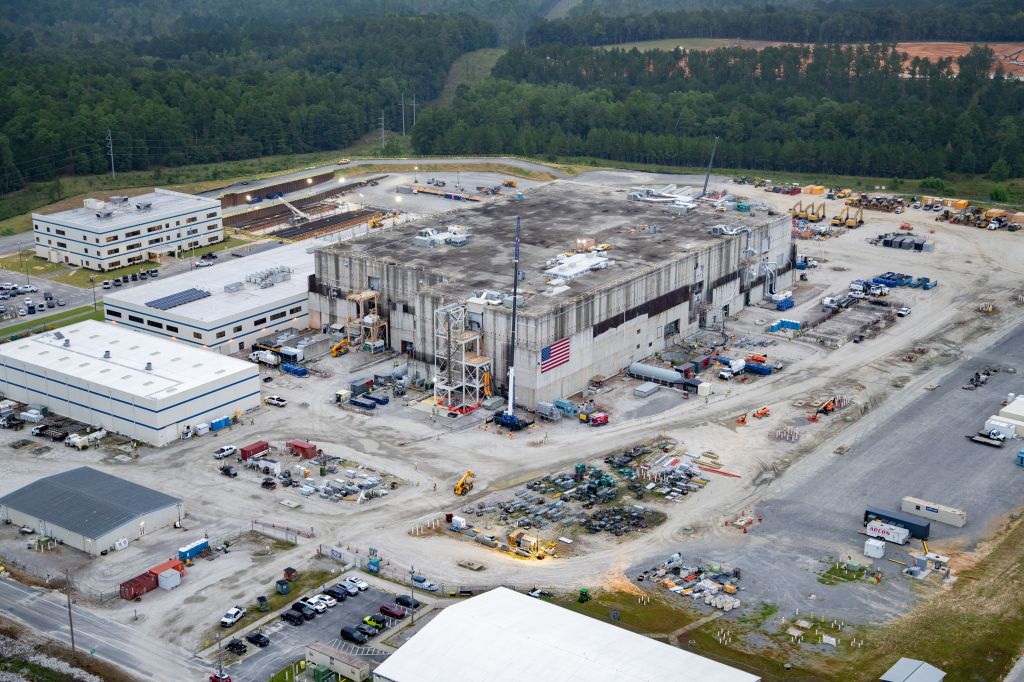
ABOVE: The first completed gloveboxes supporting Savannah River Plutonium Processing Facility (SRPPF) worker training were delivered to the Savannah River Site in August.
The gloveboxes will provide workers with hands-on training in a realistic environment, allowing them to develop critical technical skills, become familiar with specialized equipment and procedures, and build the experience needed to safely and effectively support future SRPPF operations.
“The arrival of these gloveboxes marks a major milestone for the entire SRPPF mission at SRS,” said Jim Dawkins, Executive Vice President and Chief Operations Officer, Savannah River Nuclear Solutions (SRNS). “The early delivery of these gloveboxes will directly support near-term training and workforce development for pit production so that SRS will be ready for operations once SRPPF is complete. SRNS is committed to identifying expedited pathways to enable the pit mission and support deterrence of our nation’s adversaries.”
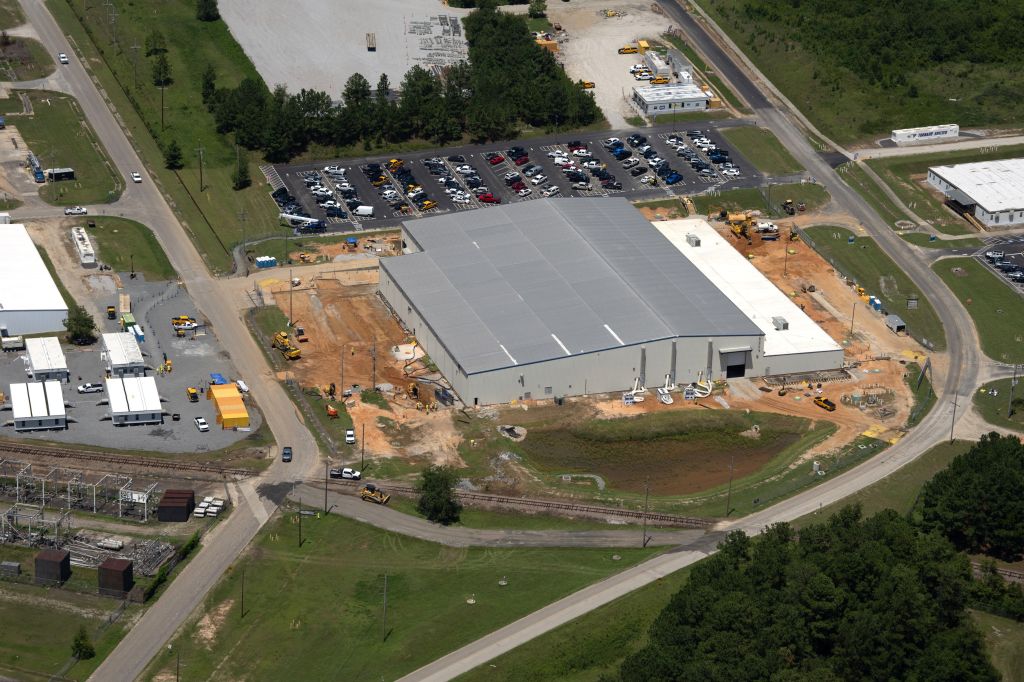
ABOVE: The first completed gloveboxes supporting SRPPF worker training will be installed in the High-Fidelity Training and Operations Center (HFTOC), which will be a non-nuclear facility supporting pit production workforce development.
The HFTOC will mimic the capabilities in the SRPPF Main Process Building and allow operators to develop pit production competencies on “like-for-like” sets of equipment with simulated radiological controls. The HFTOC subproject is forecast for completion in 2028, which allows for workforce development to advance while SRPPF is under construction.
SRNS Senior Vice President of SRPPF Project Execution and SRPPF Project Director Mike Basham stated that, “A key factor in the delivery of this equipment was the implementation of commercial practices. SRNS collaborated with our NNSA partners to think outside the box, seek out new resources, and streamline processes for project delivery. Through thoughtful planning, these first completed gloveboxes will not only support workforce development in the HFTOC, but they will ultimately support operations once SRPPF comes online.”
The HFTOC will be leveraged by NNSA to accelerate the transition from training to operations for the pit production mission.
“SRS is establishing the program and workforce to sustain an enduring pit production mission now,” said Dawkins. “This requires a parallel, integrated project and program approach for all stages from planning – from design and construction to turnover to operations. This recent accomplishment demonstrates the SRS commitment to efficiency, excellence, and delivering this capability for the nation.”
SRPPF is part of the NNSA’s two-site strategy to produce no fewer than 80 plutonium pits per year in accordance with federal law. Plutonium pits are an essential component to nuclear weapons. The pits will be produced at facilities at SRS and Los Alamos National Laboratory in New Mexico. The two-site strategy provides an effective, responsive, and resilient nuclear weapons infrastructure with the flexibility to adapt to shifting national security requirements.